
Remediation vs. Proactive Decontamination: When to Treat
Treating after a failed COA versus building decontamination into your SOP before compliance sampling — the economics, the regulatory mechanics, and how New York operators decide.
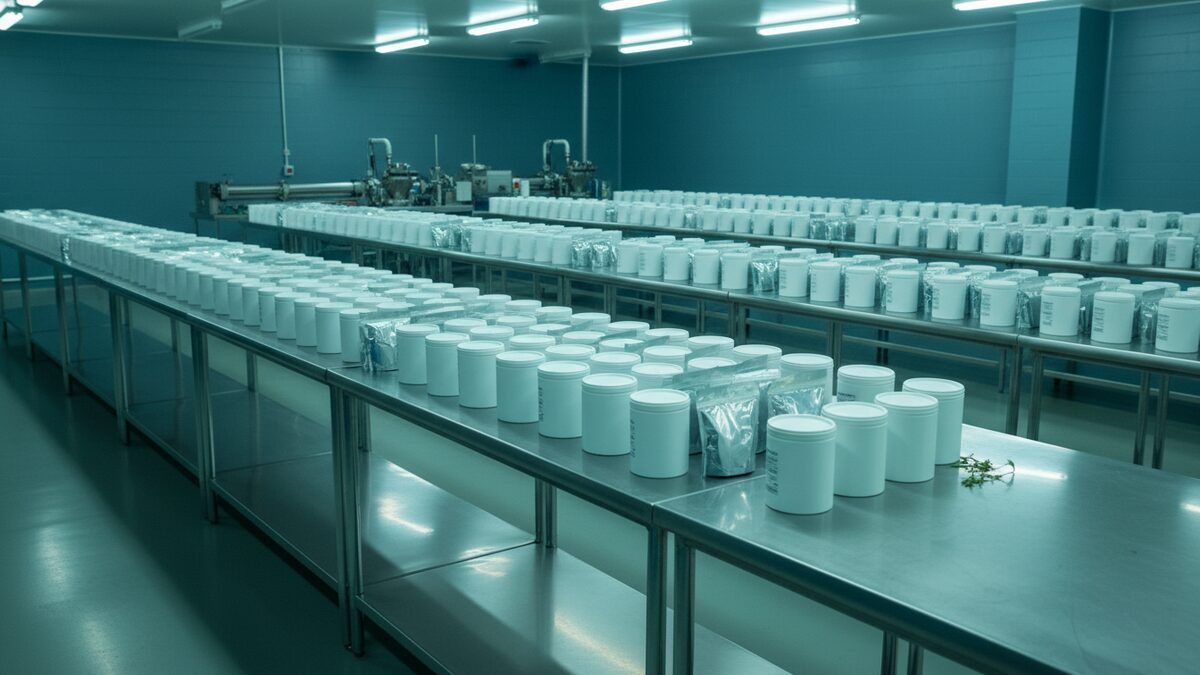
The same treatment can be two very different business decisions depending on when you apply it. In industry shorthand: remediation is treating a lot after it failed compliance testing; proactive decontamination is treating before compliance sampling, as a routine step. Same machine, same physics — very different position for your business.
The reactive path: remediation after a failure
New York gives failed lots a real second chance — a defined OCM pathway of notification, treatment, and retesting by the original lab (the full process). It works, and it exists precisely so contaminated product doesn't have to be destroyed.
But arriving at remediation reactively has built-in costs:
- The failure is on the record. OCM is notified, and the amended COA reflects the remediation.
- Time. The lot sits through notification, treatment scheduling, independent re-sampling, and retesting while your sell window and your cash conversion wait.
- One attempt. A remediated lot that fails again is destroyed. All recovery pressure lands on a single treatment cycle.
- Unplanned logistics. Transport, scheduling, and packaging decisions happen on a deadline you didn't choose.
The proactive path: decontamination as an SOP step
Operators who treat proactively fold decontamination into their post-harvest or packaging workflow — typically after final packaging (treatment through sealed Mylar or plastic means no re-exposure afterward), before the sampling firm arrives.
What changes:
- The zero-tolerance analytes get addressed before they can fail you. For NY adult-use flower, the pass/fail microbial risk is Aspergillus, Salmonella, and STEC presence — organisms that ambient exposure can deposit on any crop, however clean the grow. Proactive treatment reduces microbial load before the sample is drawn.
- Scheduling is yours. Treatment happens on your production calendar, not a compliance clock.
- The remediation pathway stays in reserve. Because the lot never failed, the one-shot remediation option remains unused if you ever need it.
- It compounds with, not replaces, cultivation hygiene. Humidity control, sanitation, and water-activity discipline still do the heavy lifting; treatment covers the residual risk that no protocol can eliminate.
The trade-off is straightforward: proactive treatment is a per-batch cost you pay on lots that might have passed anyway. Whether that's worth it is arithmetic — treatment cost per pound versus (failure probability × cost of a failure), where the cost of a failure includes retest fees, weeks of delay, the recorded failure, and the risk of losing the lot entirely.
For many operators the deciding factor isn't the math but the variance: a predictable per-batch cost versus an unpredictable, occasionally catastrophic one. High-risk product profiles — outdoor and greenhouse grows, dense high-value flower, medical-program product held to numeric limits — tilt the calculation harder toward proactive treatment.
A note on doing this honestly
Proactive treatment is sometimes marketed as a way to make contamination "disappear" before anyone sees it. That framing is wrong on the facts: decontaminating before compliance sampling is simply processing — a kill step, the same concept food producers have used for decades. The sample still gets drawn by an independent sampling firm, still gets tested on the full panel, and the COA still says what it says. Treatment doesn't hide anything; it reduces the microbial load the test measures. It also doesn't remove mycotoxins already present, which are tested separately — no treatment method does.
How RAD-C supports both
RAD-C's process is the same sealed, no-touch X-ray treatment either way — fitted bags, canisters sealed at drop-off, treatment through packaging, product returned unopened:
- Failed lot? We prioritize getting the treatment step scheduled quickly and done right the first time — because you get one.
- Building it into your SOP? We offer SOP pricing for recurring pre-compliance treatment, and sealed retail packaging can often be treated as-is — no glass or metal.
Talk through your product mix and volumes with a specialist: 315-217-1102 or request a quote.
Sources: NY OCM Adult-Use Processor Compliance Welcome Packet · NY OCM Laboratory Testing Limits
About this guide: published by RAD-C for general information. Regulatory details are summarized from the sources linked above, reflect our understanding as of the update date shown, and can change — always verify current requirements with the NY Office of Cannabis Management and your compliance counsel. Nothing here is legal advice.