
New York Cannabis Microbial Testing Limits, Explained
What New York actually tests cannabis for: the four Aspergillus species, Salmonella, STEC, total yeast and mold, aerobic bacteria, and mycotoxins — and how the limits differ between flower, extracts, and medical product.
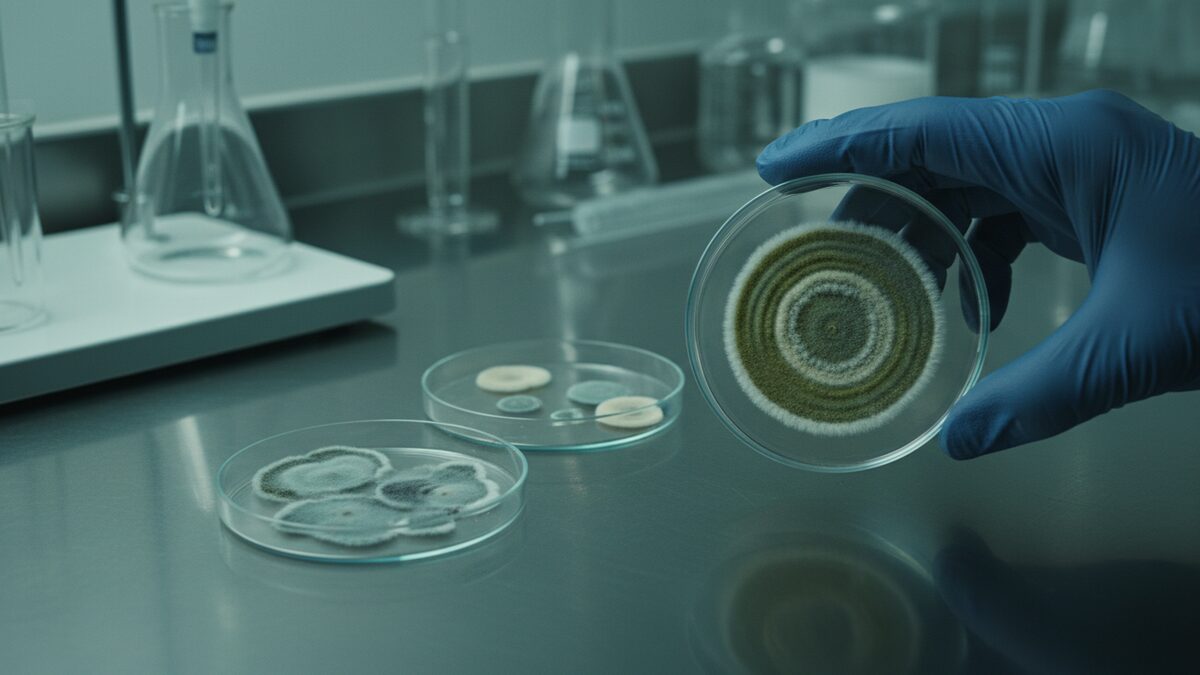
New York's microbial testing rules are frequently misunderstood — including by marketing material written for other states. The structure matters, because it changes where your real pass/fail risk is.
Testing is required under New York's cannabis regulations (9 NYCRR Part 130), with the specific limits published by the Office of Cannabis Management in its Cannabis Testing Limits document. Here's the microbial picture as of the current revision.
The pathogens: absent means absent
For final cannabis products, these organisms must be entirely absent from the tested sample:
| Analyte | Requirement |
|---|---|
| Aspergillus fumigatus | Absent |
| Aspergillus flavus | Absent |
| Aspergillus niger | Absent |
| Aspergillus terreus | Absent |
| Salmonella species | Absent |
| Shiga toxin-producing E. coli (STEC) | Absent |
There is no threshold to stay under and no partial credit — detection of any of these in the sample fails the lot. For flower and pre-rolls, this is where most microbial failure risk lives, and Aspergillus is the most common culprit because it thrives in exactly the conditions cannabis is grown, dried, and cured in. (More on the organism itself: Understanding Aspergillus in Cannabis.)
Total yeast & mold and aerobic bacteria: it depends on the product
Here's the part that surprises people. For adult-use flower and other unextracted products (including pre-rolls, kief, and solventless hash), New York currently requires total yeast & mold (TYM) and total viable aerobic bacteria (TVAB) counts to be reported only — there is no numeric pass/fail limit on those counts for that product category.
Numeric limits do apply elsewhere:
| Product category | TVAB limit (CFU/g) | TYM limit (CFU/g) |
|---|---|---|
| Adult-use unextracted (flower, pre-rolls) | Report only | Report only |
| Adult-use extracted / infused products | ≤ 10,000 | ≤ 1,000 |
| Medical unextracted | ≤ 100,000 | ≤ 10,000 |
| Medical mixed-matrix | ≤ 10,000 | ≤ 1,000 |
Practical consequences:
- Adult-use flower fails on pathogens, not counts. A sky-high TYM number on flower is a red flag your buyers can see on the COA — but the regulatory failure comes from Aspergillus, Salmonella, or STEC presence.
- Extracts and infused products carry hard limits. If you make or sell them, TYM and TVAB are pass/fail for you.
- Medical product is held to numeric limits across the board — tighter quality bars apply to the medical program.
Mycotoxins: the analyte remediation can't fix
Alongside the microbial panel, every product is tested for mycotoxins — toxic compounds produced by certain molds:
- Total aflatoxins: < 0.020 µg/g
- Ochratoxin A: < 0.020 µg/g
This is worth understanding before you remediate anything: microbial remediation (X-ray or otherwise) inactivates living organisms, but it does not remove mycotoxins the mold already produced. Product that carried a heavy, long-standing mold load can pass its microbial retest and still fail mycotoxins. If a lot shows visible mold damage, talk to your lab about mycotoxin risk before spending on remediation.
Who samples, who tests
Since mid-2023, compliance samples must be collected by licensed independent sampling firms — not by the licensee — and tested by OCM-permitted laboratories. Remediated lots follow the same independent-sampling rule, and must be retested by the same laboratory that issued the failed COA. The full failure-and-remediation workflow is covered in What Happens When Cannabis Fails Microbial Testing in New York?
Where remediation fits
Two ways New York operators use microbial treatment against this rulebook:
- After a pathogen failure — the OCM remediation pathway lets a failed lot be treated once, retested, and sold if it passes.
- Before compliance sampling — treating product proactively reduces microbial load (including the pathogens with zero-tolerance limits) before it ever becomes a COA problem. See Remediation vs. Proactive Decontamination.
RAD-C provides X-ray treatment for both — reaching contamination inside dense flower and through sealed packaging, without heat, chemicals, or handling. If you're weighing options for a specific lot, call 315-217-1102.
Sources: NY OCM Laboratory Testing Limits (current revision) · 9 NYCRR § 130.22 — laboratory testing requirements · NY OCM Sampling & Lab Testing Q&A
About this guide: published by RAD-C for general information. Regulatory details are summarized from the sources linked above, reflect our understanding as of the update date shown, and can change — always verify current requirements with the NY Office of Cannabis Management and your compliance counsel. Nothing here is legal advice.